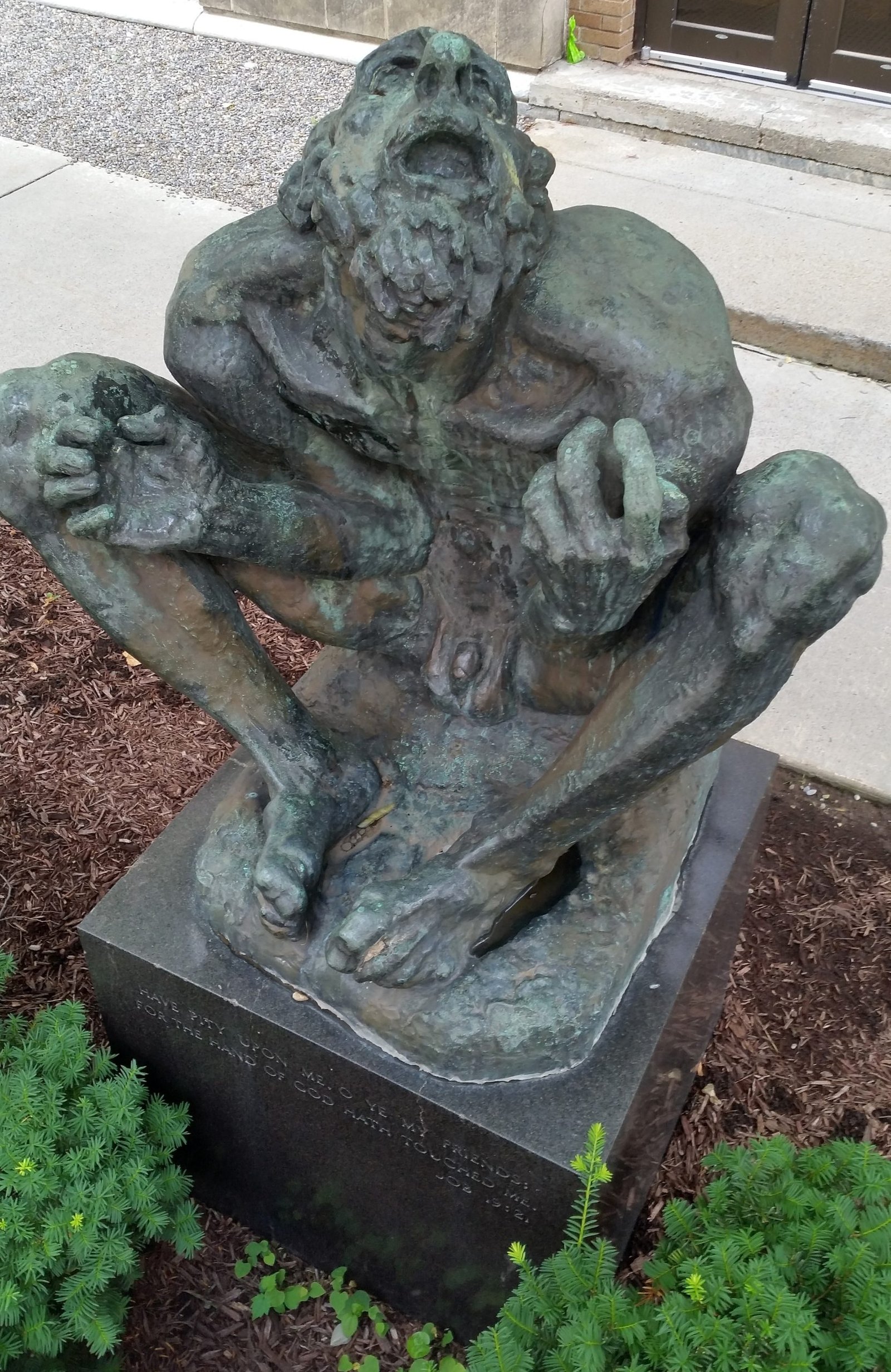

Strife Within the Family
Conflicts within families constitute not only the bitterest strife on Earth, but have the potential to cultivate the subtlest and most enduring abuse. When the misconduct involves an elderly father and his children – the subject of the present inquiry – the urgency of attending to the matter, as well as the complexity, increases tenfold.
As important as such conflicts are to resolve, the root causes of the clashes go back lifetimes. To lay bare the genuine issues at stake is nearly impossible for those who try. There are several reasons for this. First, the strife concerns the affairs of individuals whose private transactions we have no right to breach. Next, understanding complex personal interactions requires access to the actors’ innermost thoughts, perspectives, and motivations, which we do not have.
Third, even if those actors were willing, honest, and confided such intimacies, we would be unable to receive them. It is not possible. Truth is too sensitive to cross the mind barrier. If truth is spoken, it shifts the moment it comes to lodge on sands of shores of other minds, with certain knowledge of what the speaker meant as out of reach as ever.
Fourth, a mind seldom knows what it means, intends, or wants and certainly not why, and therefore cannot convey it. Root motivations are impenetrable to the conscious mind. But no conscious mind is willing to admit that it doesn’t know why it is acting as it does. To conceal that embarrassment, it provides – often compulsively – a reason, which the mind then adopts, thus altering the mind’s conceptual framework in the same moment, further frustrating any attempt to understand. And most conscious minds think they know what’s going on, believe the reasons they manufacture for their actions, and provide those, although false, with a clear conscience.
The final obstacle to understanding internecine conflicts is familial treachery, most wretched because it can be passed off as innocuous eccentricity. Questionable behavior is readily obscured within the intensely personal, uniquely intricate tapestry family relations create. Amidst that bewildering substrate, exploitative relations may persist and gain acceptance to the point that the victim abets the practice rather than admit an injury. Any hostility or resentment in play can easily go unnoticed.
So, if we allow that individuals are mysteries we cannot penetrate, it abandons us to the harsh reality that justice within families is beyond human endeavor. We must accept that the values by which an individual lives are subject solely to the discretion of that individual. If an actor states he committed no offense, then he committed none. If a victim states he is wronged, he must be content to be wronged with no recourse to equity or mercy.
As justice, therefore, is beyond the scope of this history, it must resort to describing rather than explaining. Forswearing speculation, it records only those snatches of conversation and acts seen and heard in order to shed light on the interactions that constituted the last years of old Thor’s life. With this testimony serving, then, merely as evidence for conclusions yet to be drawn, the hope is to determine that no ill will ever existed, that there was no victim in that home.1
- “Justice,” Third Son of Thor, Constance McCutcheon, 2023. ↩︎